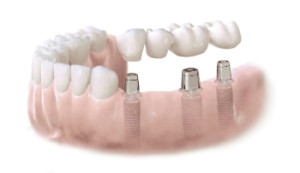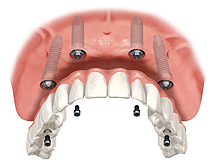
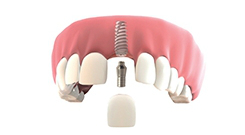
What Are Dental Implants?
They have excellent integration with human tissues and heal remarkably well. When done properly they are inconspicuous. They are then fitted with a crown that is custom made to the specific size of the gap they are filling, as well as blending in seamlessly with the size, shape, and shade of existing teeth.
When placed and maintained properly, implants can be lifelong restorations.
Why Choose a Dental Implant?
- Permanent and durable — fixed in the jawbone and designed to last for decades, often a lifetime with proper care
- Natural look and feel — from the root to the visible crown, so you can chew, speak, and smile as you would with your original teeth
- Preserves jawbone and facial structure — when a tooth is missing, the bone around it can shrink over time; implants help stimulate and preserve jawbone density
- Protects adjacent teeth — unlike dental bridges, implants do not require altering neighbouring healthy teeth for support
- Convenient and low maintenance — the same care as natural teeth: regular brushing, flossing, and check-ups
“Implants do not get decay, require root canals or have nerves that can cause pain. They also allow me to provide my patients with individual teeth instead of joining two teeth together to make a bridge. This means they are easier to clean and should need less treatment in the future than bridges.” — Dr. Sam Sherif
The Method
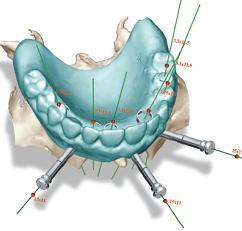
Implant surgery has evolved so significantly that it is now as simple as most other dental procedures. After initial assessment and discussion of the desired results, a CT scan will be recorded.
The prosthodontist then spends several hours planning each individual case using the scan and specialised software, placing the implant in the most adequate bone, avoiding vital structures such as nerves, and selecting the suitable implant length. A mould is taken, and used with the scan and planning to construct a surgical stent. The implant is placed minimally invasively using the stent.
Approximately 6–12 weeks later, another mould is taken and sent to the laboratory, with detailed instructions regarding the shape, size, and shade of the crown. One week later the crown is fitted to the implant.
Caring for Dental Implants
If implants are placed correctly and maintained with good oral hygiene and regular dental check-ups they are lifelong. They are fixed, standalone restorations — not removable like dentures, and not destructive to adjacent teeth like bridges.