About Our Town
Chesterfield
A market town with a twist
Chesterfield is where ancient Anglo-Saxon trade routes reach out into the open trails of Derbyshire, where the North ends and the Midlands begin, and where one treasured landmark dominates the skyline in all directions.
Known in Anglo-Saxon times as Cestrefelda (combining the Old English words for “fort” and “field”) as part of the Kingdom of Mercia, the town's location at the geographic heart of England has defined its character through the centuries as a market hub, a resource of iron and coal, and a battlefield between armies.
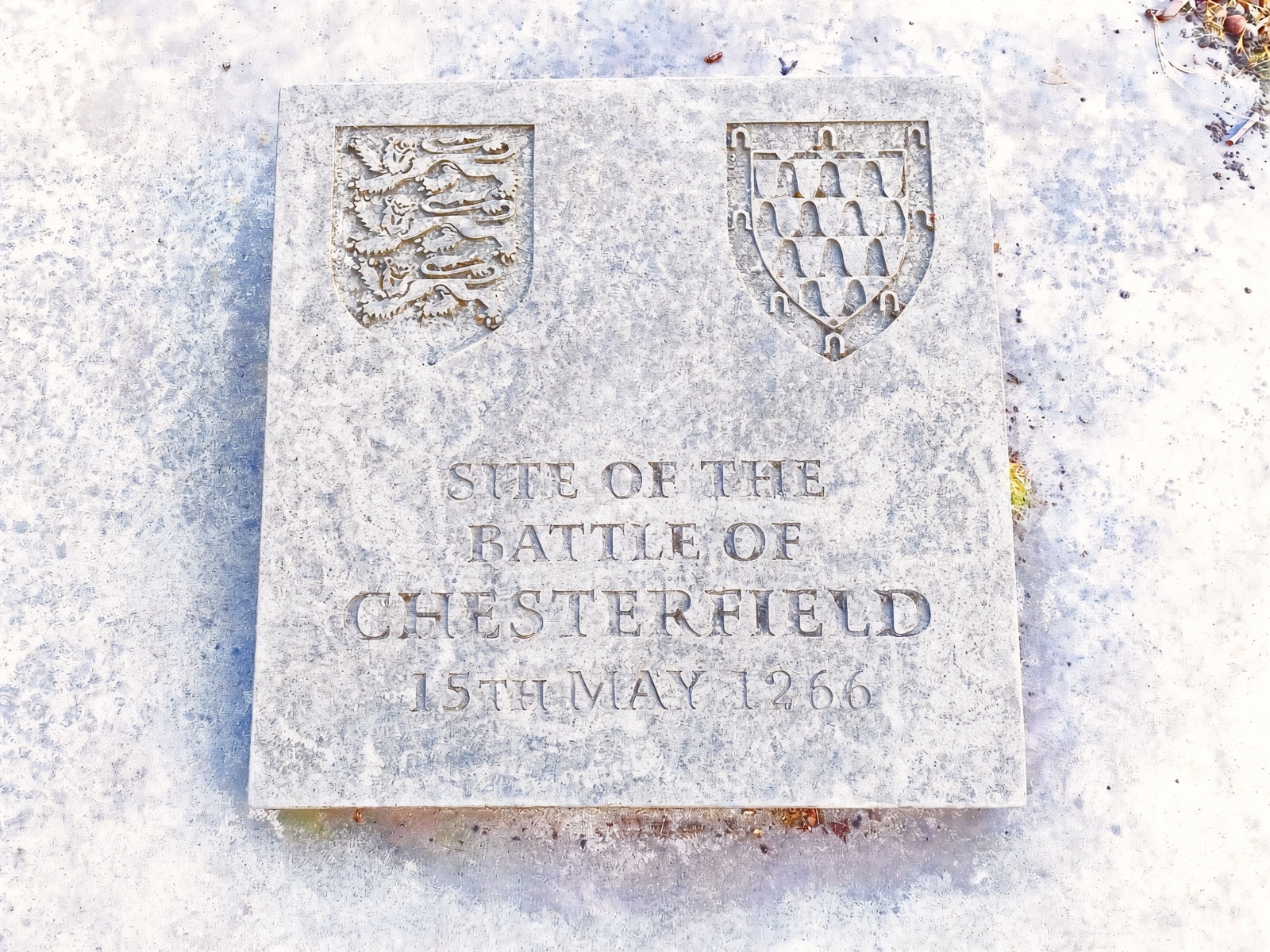
In 1204, King John — of Robin Hood infamy — granted Chesterfield its formal market charter, turning it into a primary trading centre for the East Midlands. Its importance brought swords, flames, and war directly into the town's streets in 1266, as rebel barons fought royalist troops through the town during the Barons' War.
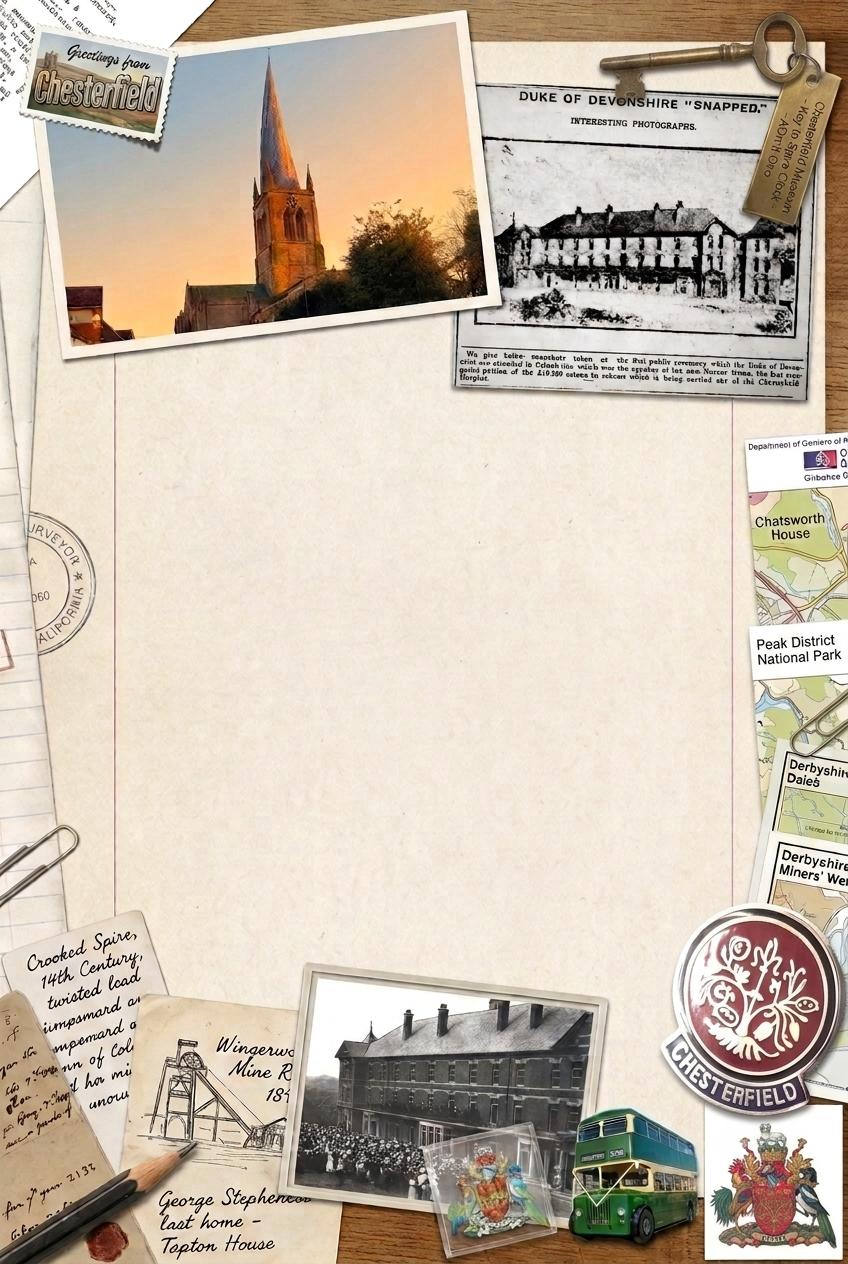
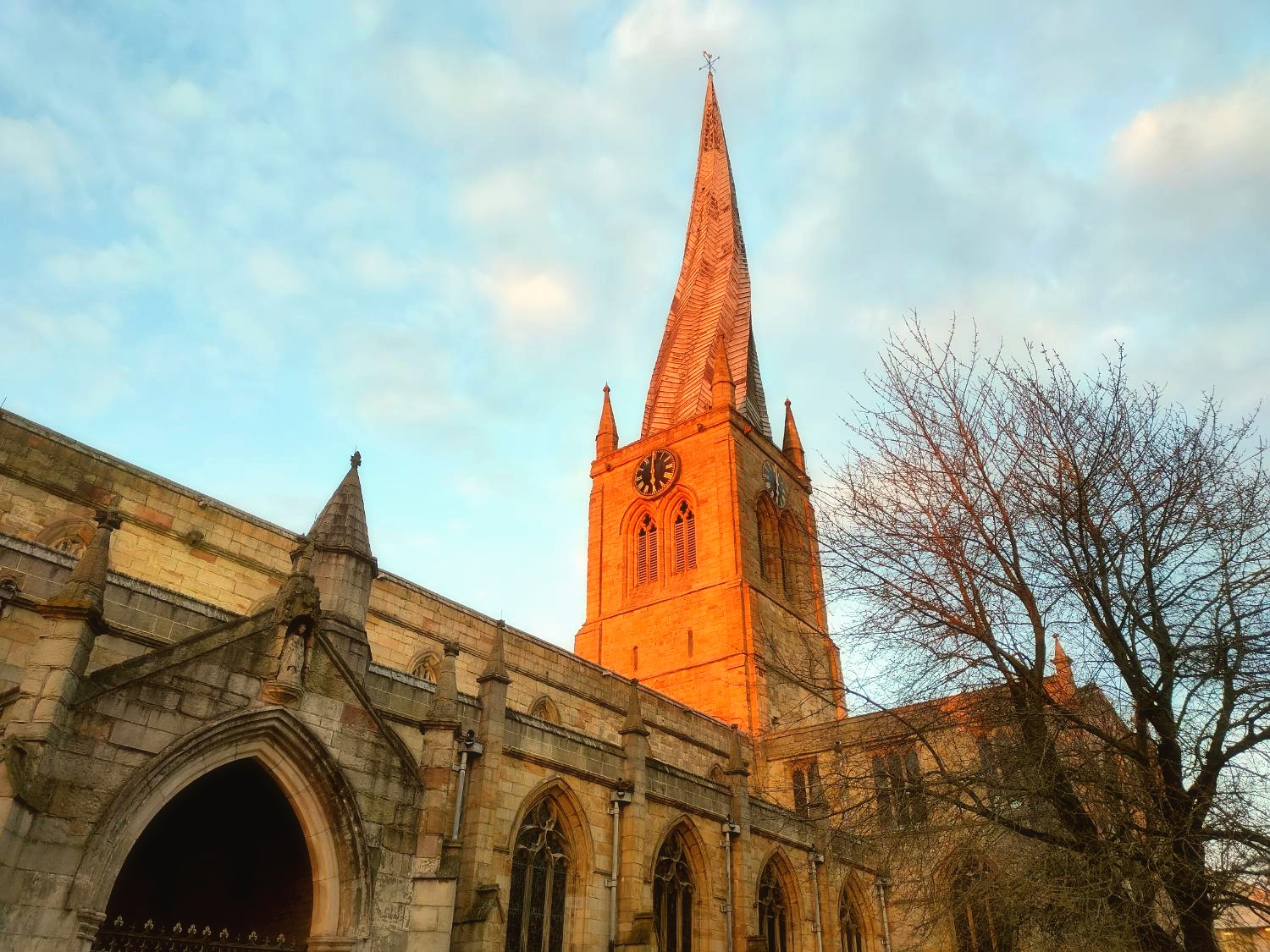
A century later, the town heralded the completion of the building that more than any other would come to define it—the Church of Saint Mary and All Saints. Kissed by fate and carpentry, the unseasoned oak timbers of its 228-foot spire twisted under the weight of 32 tons of lead tiles, creating the unplanned, entirely singular beauty of what has been known for six and a half centuries as the Crooked Spire.
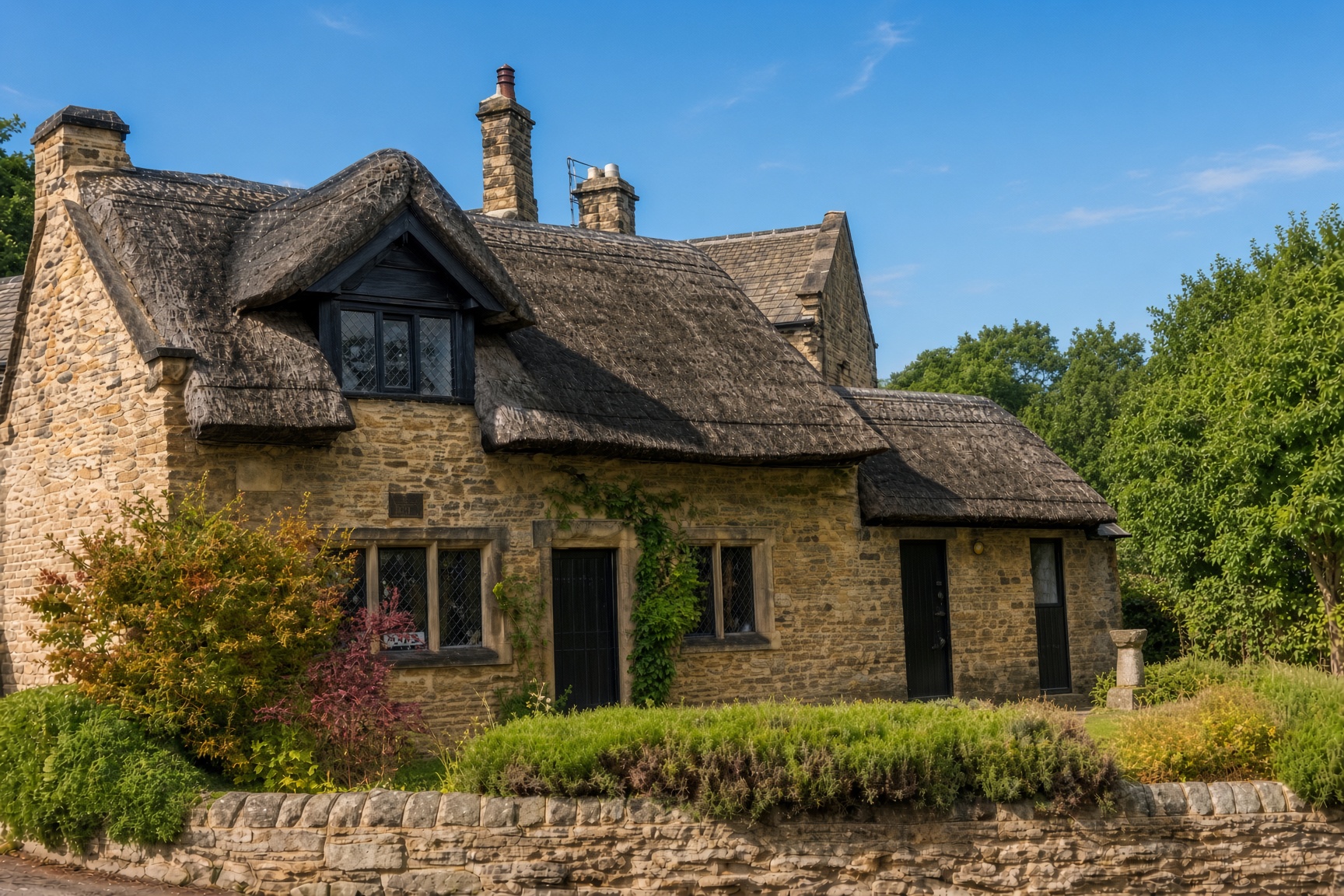
Intrigue and revolution found their way from Chesterfield to London in 1688, when three daring (or dastardly) would-be dukes — the Earl of Devonshire, the Earl of Danby, and the son of the Earl of Holderness — met at The Cock and Pynot, a quiet, thatched alehouse, to plot the overthrow of King James II. Their plans succeeded, ushering in the Glorious Revolution, with The Cock and Pynot thereafter being known as the Revolution House.
In the centuries that followed, the soil beneath the town began to reveal a new kind of power. Rich, accessible seams of coal, and ironstone turned the medieval market borough into an industrial crucible. Foundries rose, blast furnaces blazed, and heavy engineering was added to the list of Chesterfield's industries.
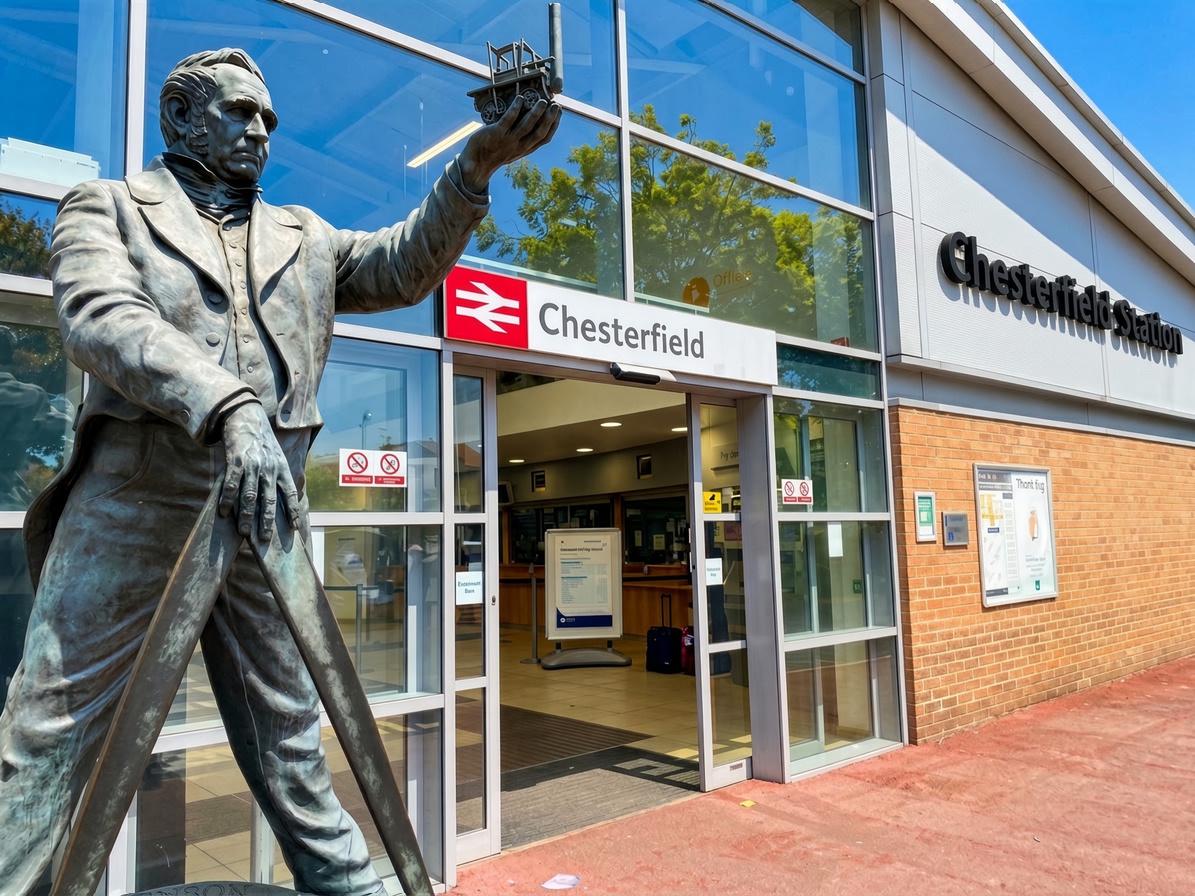
This burgeoning industrial strength drew the attention of the man who was rebuilding modern transport from the ground up via locomotive: George Stephenson. Driven by the expansion of the railways, the 'Father of Steam' chose Chesterfield as his home base during the construction of the North Midland Railway. Working alongside his son Robert, Stephenson brought the iron rail network to Derbyshire, managed local coal and lime operations, and lived out his final years at Tapton House until his death in 1848. A few years later, Robert Stephenson was commissioned by the Khedive of Egypt to oversee the birth of the Egyptian rail system - the first railway in Africa, the Arab World, and the entire eastern Mediterranean.
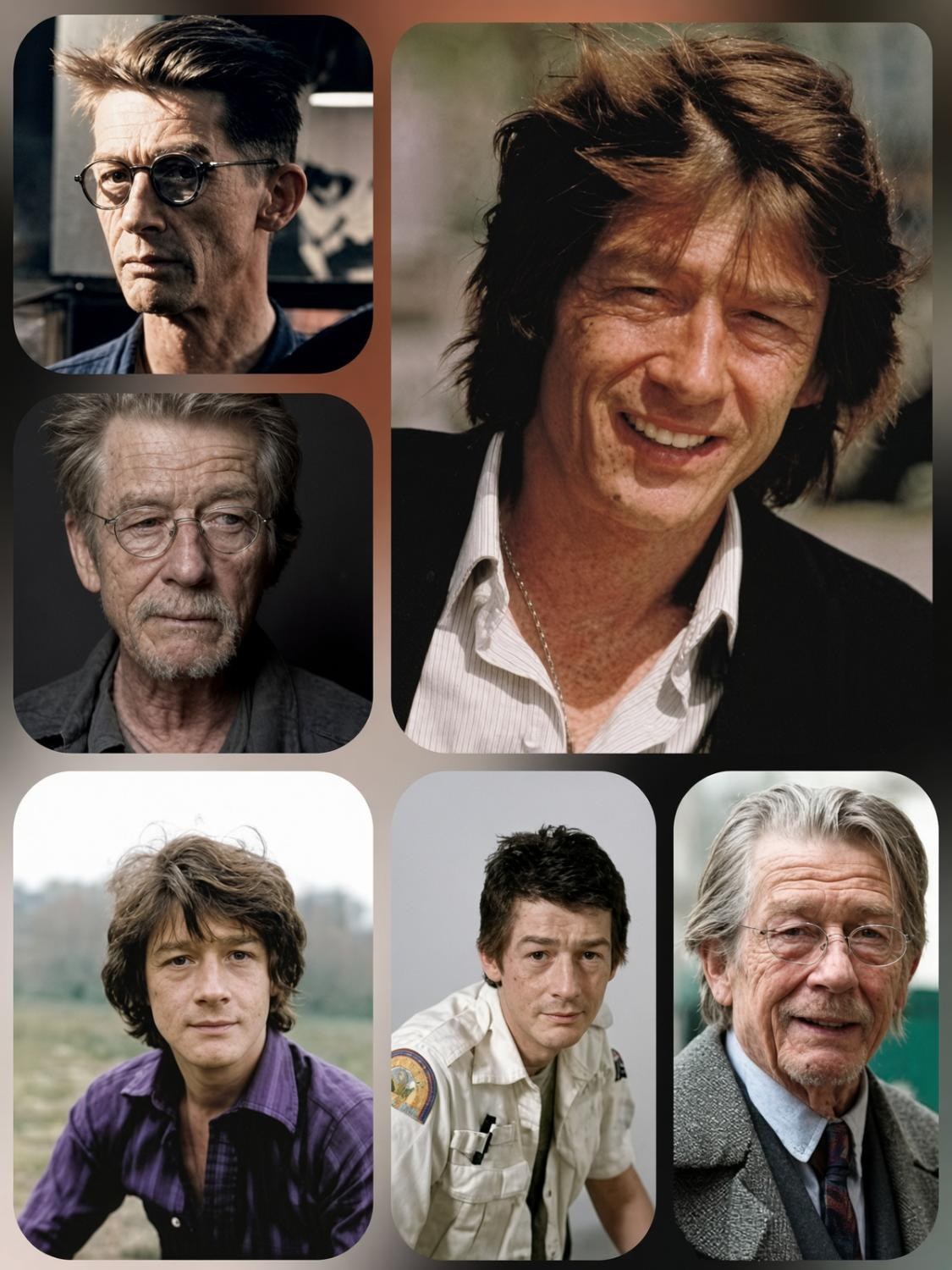
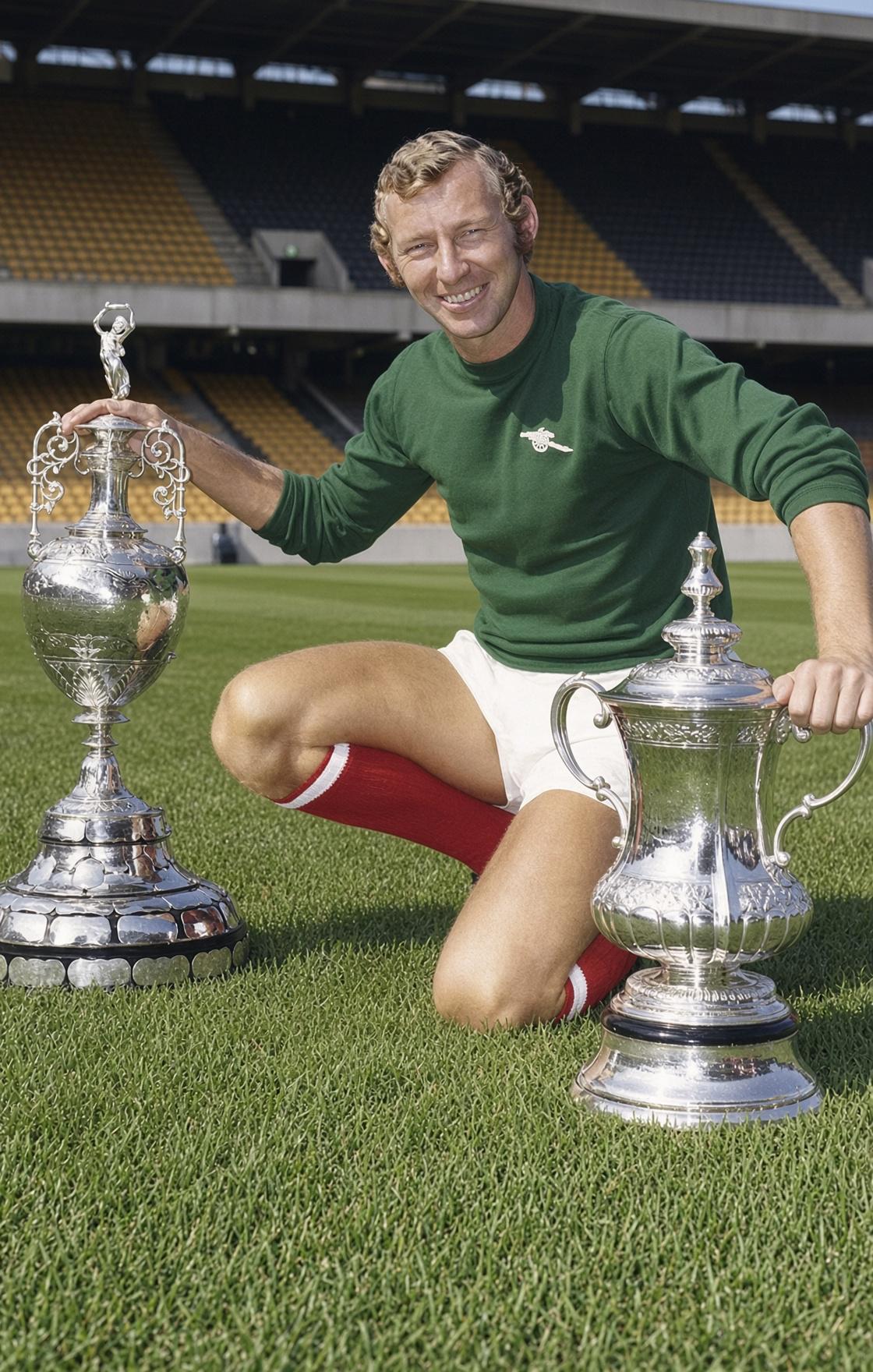
The twentieth century saw fame and distinction of different kinds for two of Chesterfield's sons: in cinema, John Hurt, whose acting career spanned six decades, including celebrated performances in 'Alien', 'Nineteen Eighty-Four', and 'Rob Roy'; in football, goalkeeper Bob Wilson, who won the Double with Arsenal before going on to become one of the defining voices of British sports television.
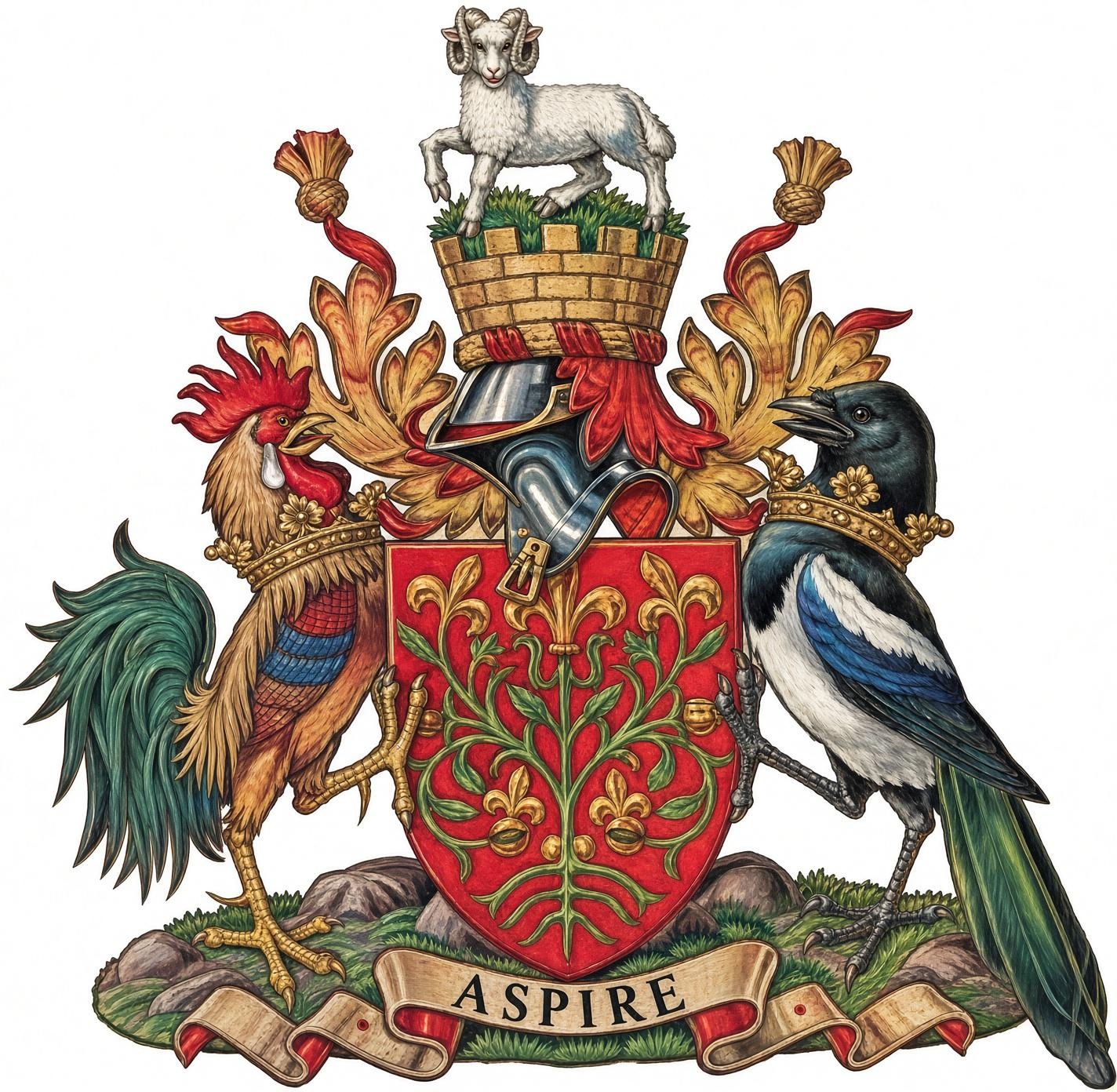
Today, Chesterfield retains the spirit and identity that has sustained it for over a millennium. The grand open-air market still trades four days a week in the shadow of the Crooked Spire, independent shops remain in the stone-paved streets, the wild, open edges of the Peak District beckon travellers from across the land, and the gamecock and magpie from the old alehouse sign of the Revolution House stand proudly on the town’s coat of arms.