Our History
Every Story Has a Beginning
In 1904, Chesterfield’s town centre hospital was struggling to find enough room for both patients and personnel.
So desperately short on space was the hospital that its nurses were packed into cramped, poorly ventilated quarters in the building’s attic space. They lived in the same building where they worked, with precious little escape from the sights, sounds, and stress of the wards.
Enter Alderman Edward Eastwood, a prominent local citizen with a grand philanthropic streak. Eastwood gifted a parcel of prime land right next to the hospital grounds on Durrant Road to provide a dedicated sanctuary for the people on whom the hospital’s patients depended.
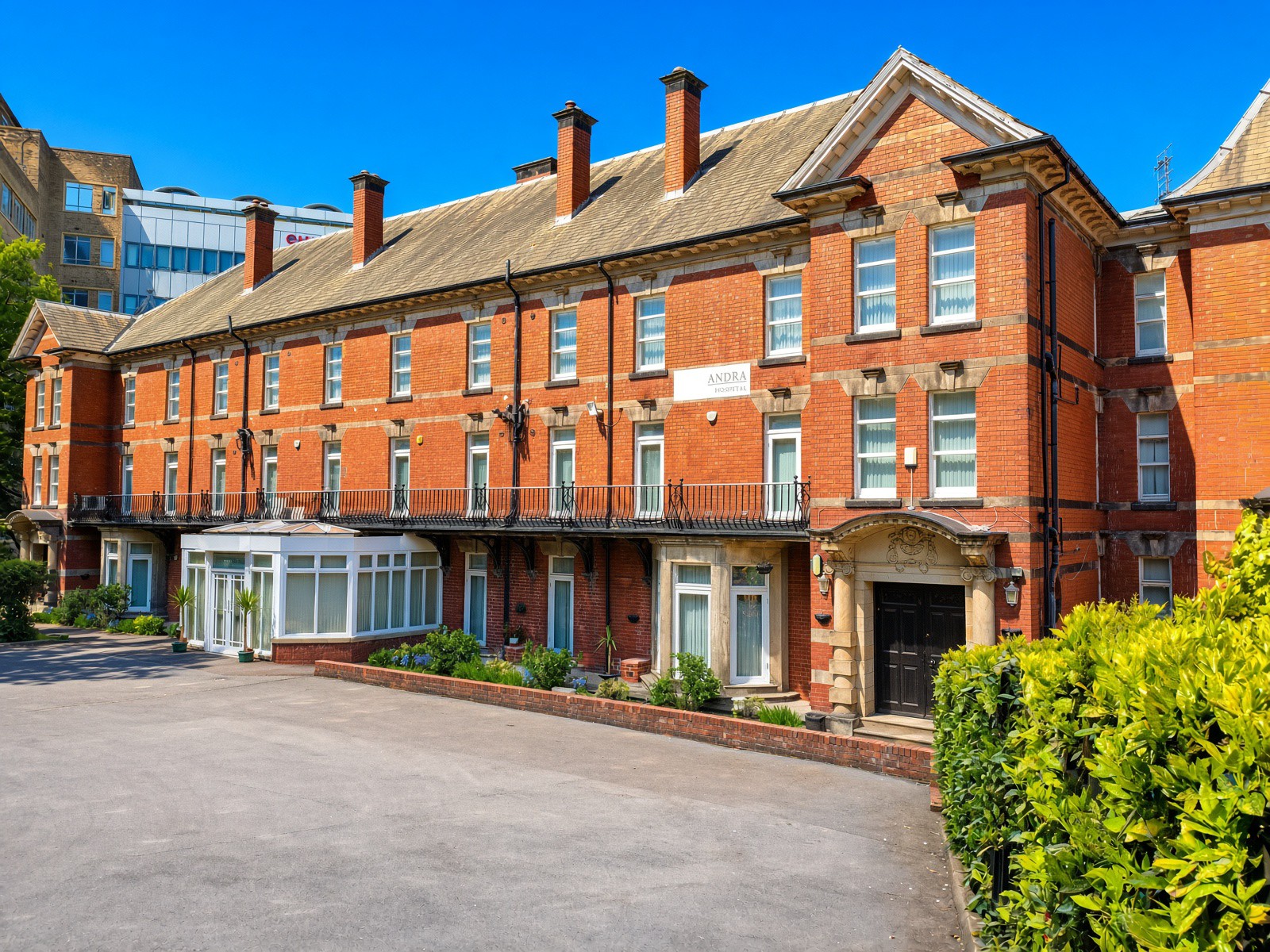
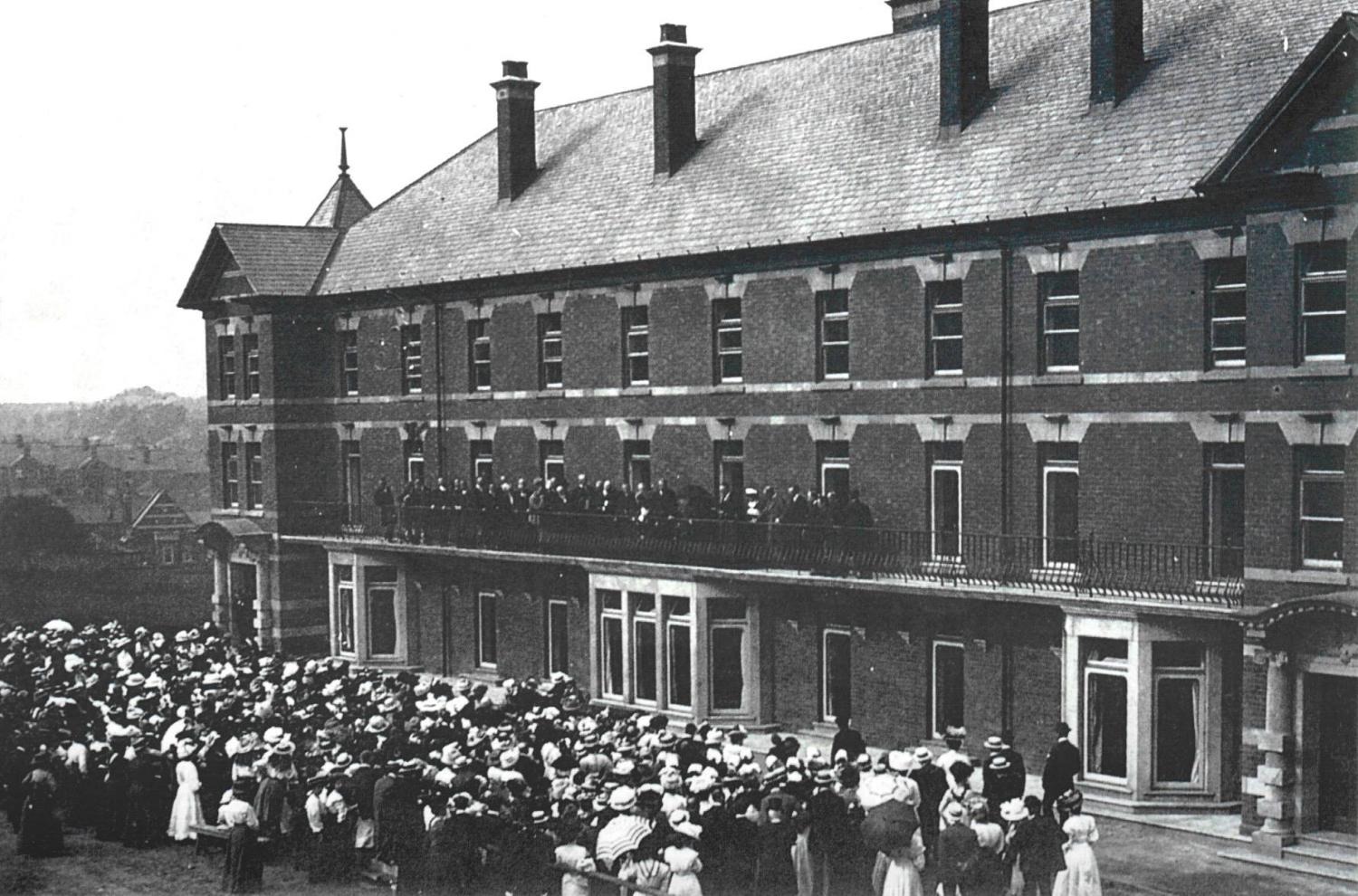
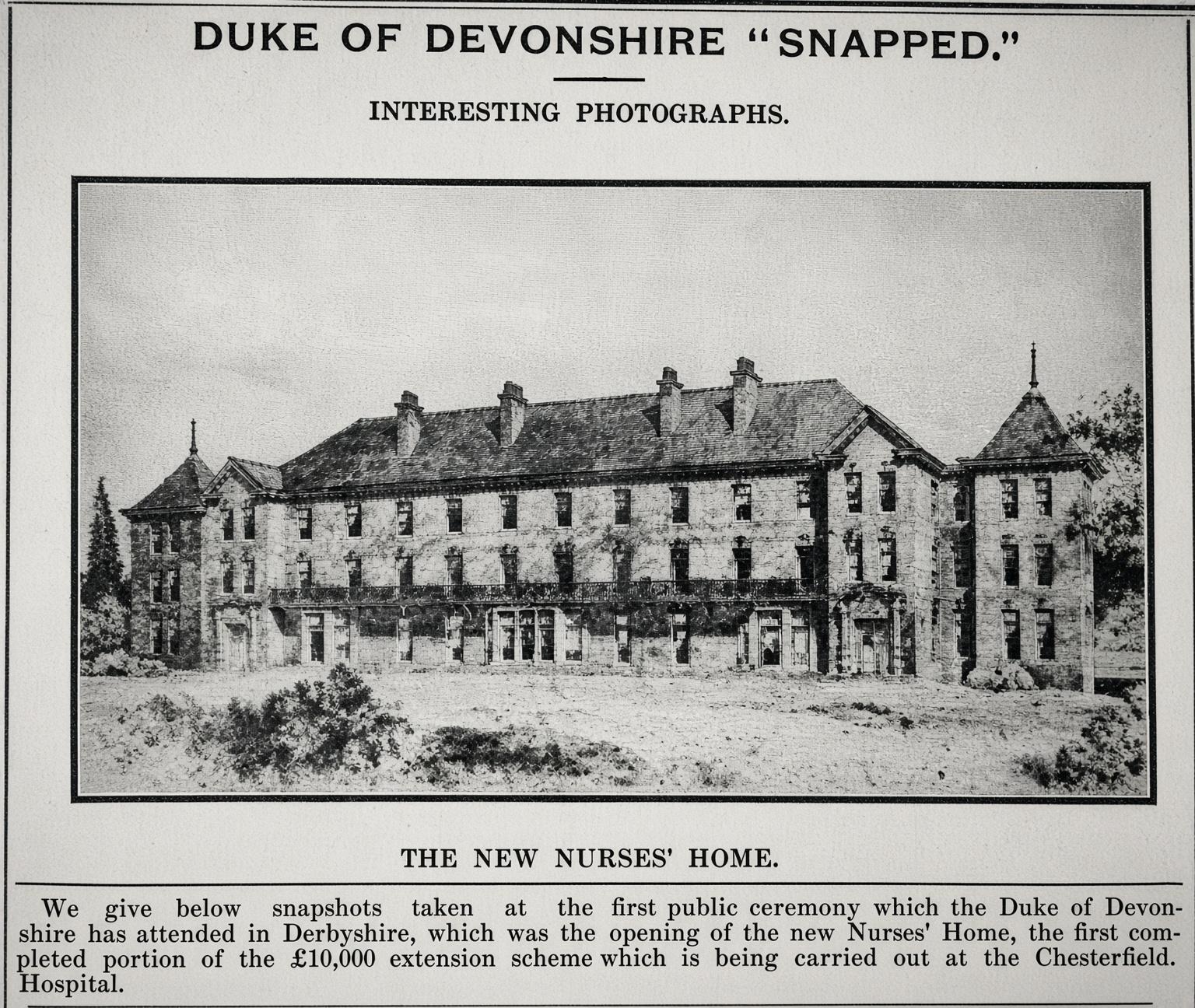
Architect W. Cecil Jackson was hired to design a structure worthy of the historic borough. What he conjured was an architectural work of art featuring:
- Four storeys of glazed red brick
- A roof of Westmorland slate
- Two turrets
- Three bay windows framed in Derbyshire stone, with every window likewise dressed in Derbyshire stone
- A balcony stretching the length of the second floor
- A strategic hillside location allowing for three visible floors from the front, and four from the rear overlooking the railway built by George Stephenson, the ‘Father of Steam’, and his North Midland Railway company.
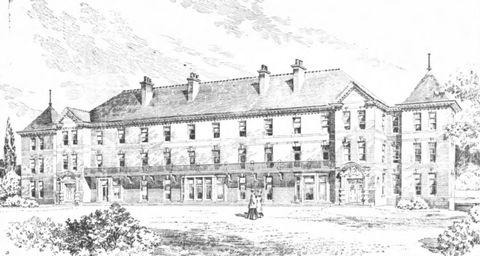
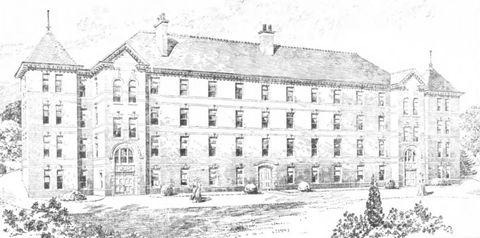
Jackson was obsessed with safety, designing the interior corridors out of innovative, fireproof materials. Contractors Maule & Co. were hired for the project, and broke ground in 1905, spending three years turning Jackson’s vision into reality.
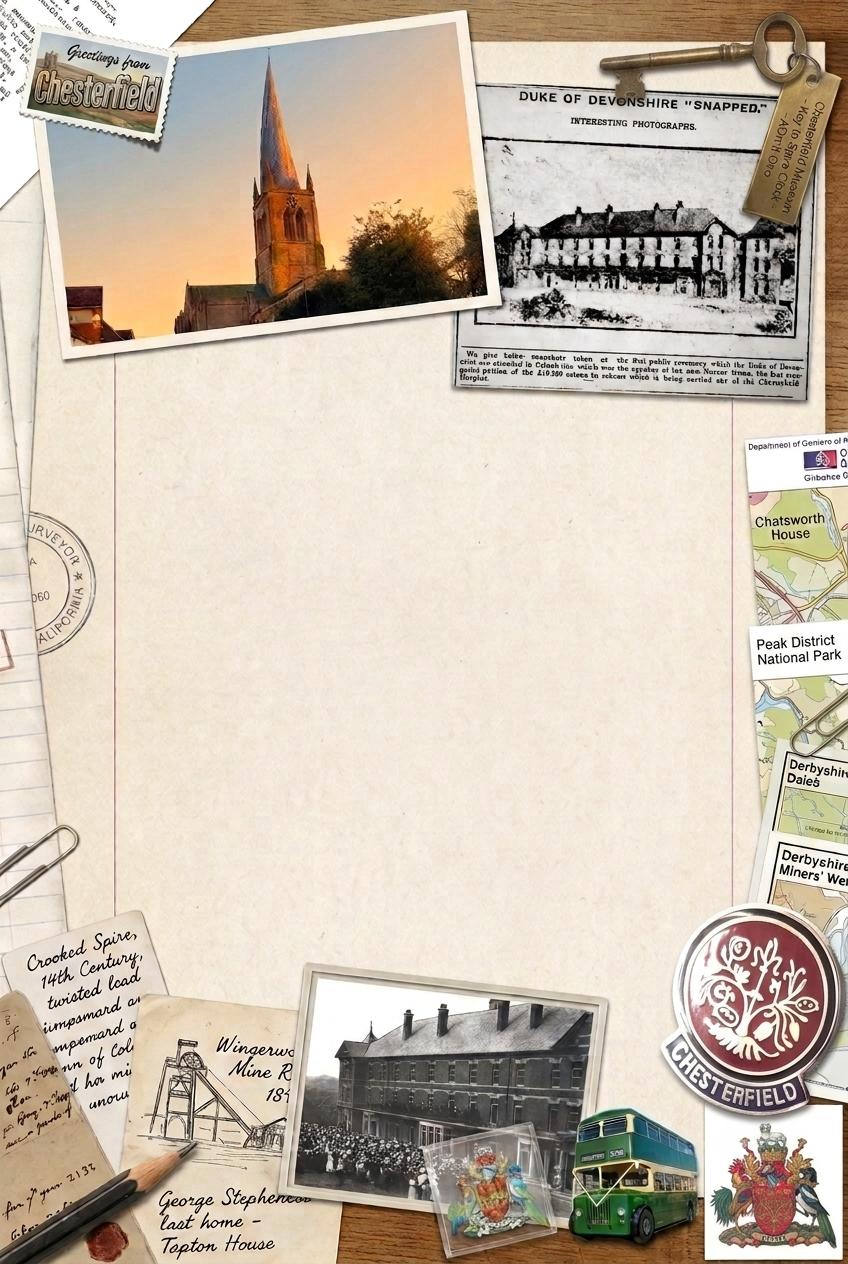
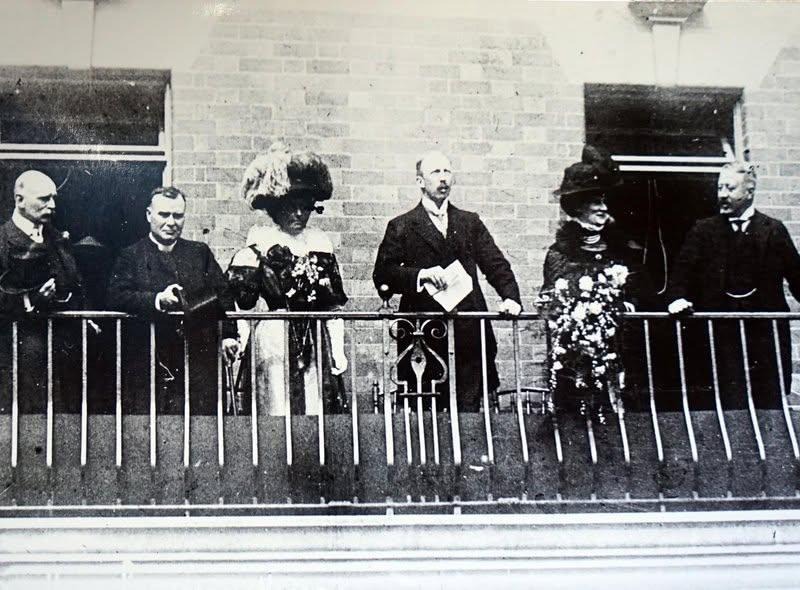
On 28th July 1908, celebrations were held as the Duke and Duchess of Devonshire arrived to officially open the magnificent new building in a formal ceremony, receiving a specially engraved gold key to commemorate the event.
The nurses
A Haven of Comradeship and Cocoa
For the next seven and a half decades, the building became a lively world of its own. What the rooms lacked in terms of luxuries they made up for in atmosphere, buzzing with a sense of friendship and shared purpose.
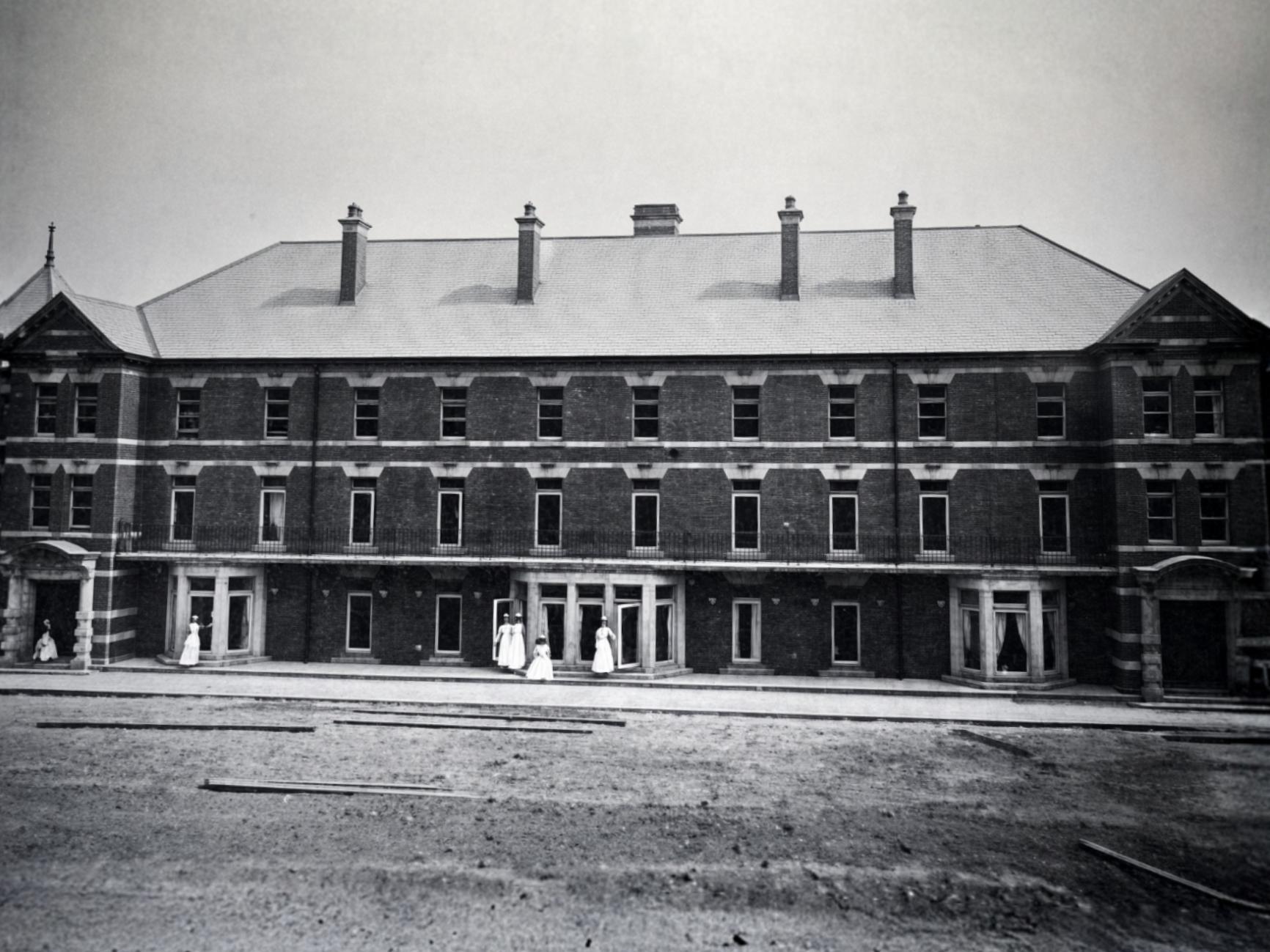
Day-to-day matters were overseen by the hospital’s legendary senior Ward Sisters, who considered it their duty to keep the young nurses safe in an era when young women living away from home was a radical novelty. Many a former nurse would later recall the ironclad curfews, locking of the front doors at night, and the Sisters’ stern reprisals upon discovering uninvited guests.
Yet, behind the strict rules lay a warm culture of camaraderie. Generations of trainee nurses would later recount creeping down Jackson’s long corridors long after lights-out to huddle in each other’s rooms, sharing smuggled biscuits, brewing illicit pots of cocoa, and whispering about the day’s events on the wards. It was there that exhausted nurses found support amongst each other, and made lifelong friendships.
One Surgeon’s Journey
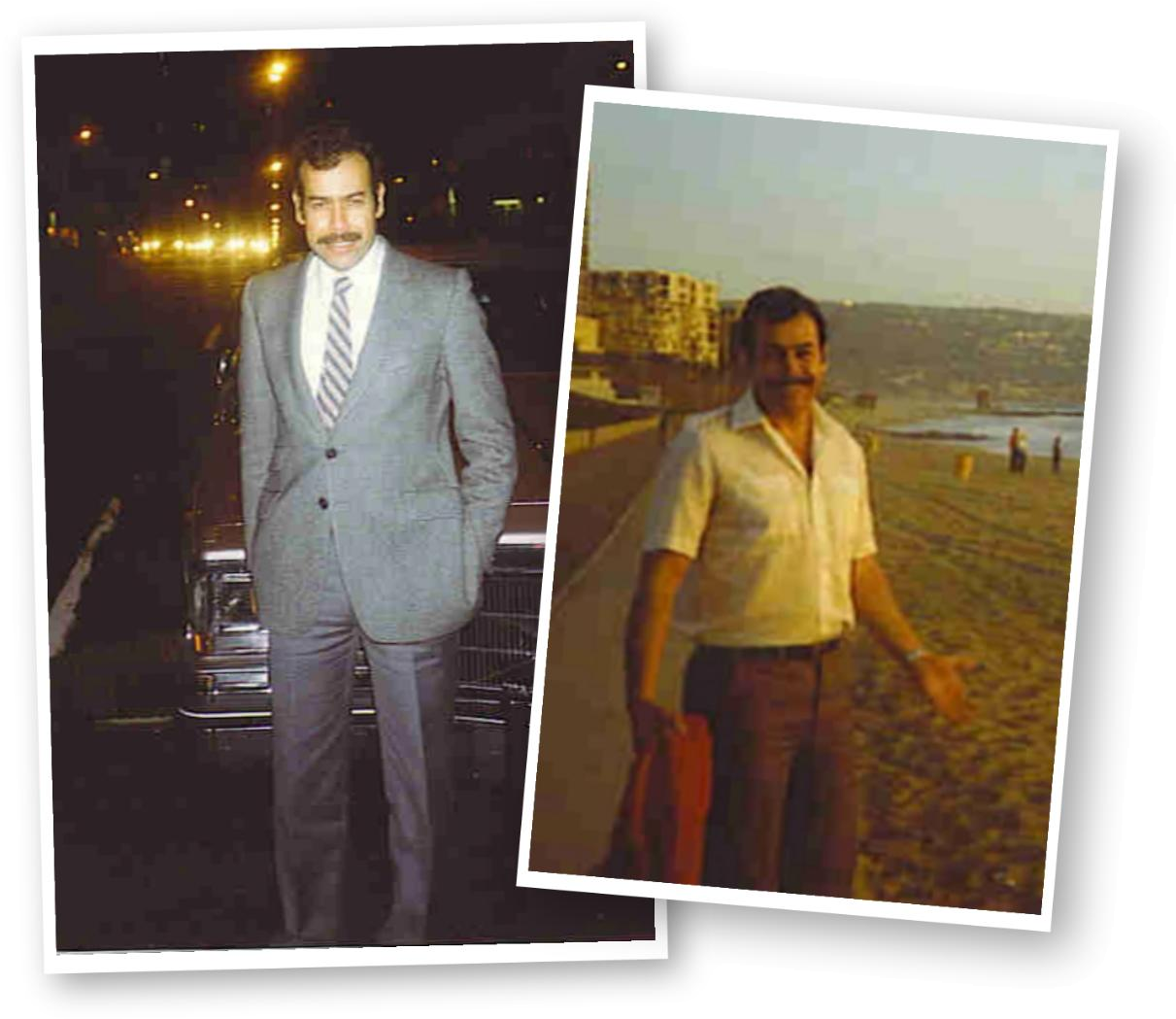
Decades later, and thousands of miles away, a young surgeon from the ancient Mediterranean city of Alexandria set off on an odyssey. In September 1971, Sabri El-Sherif was accepted to take up a prestigious post in the United Kingdom, but given only weeks to arrive. And so, he bid farewell to his family, and boarded a ship to Greece, from where a long train journey through Yugoslavia, Italy, and France took him all the way to Calais, finally arriving in London in October. He also pursued a fellowship at the Royal College of Surgeons of Edinburgh, and was posted at hospitals in different parts of the country.
One destination, however, would require a lesson in British geography. Believing that he had been requested to take up a post in the historic Roman city of Chester, Mr. Sherif drove there for his crucial interview. He arrived on schedule, but spent a frantic hour driving around the city walls, completely unable to find any trace or address of the “Royal Hospital”. Then, a sudden, clarifying realisation struck: the post wasn’t in Chester at all, but rather Chesterfield — the historic market town on the other side of the Pennine hills.
With the clock ticking, he got back into his car, and raced eastward across the rugged, winding peaks. Despite the accidental detour, he arrived in time for the interview, and was appointed to be the newest surgeon at Chesterfield Royal Hospital. And so, from pure happenstance, he found himself a new place to call home.
He spent his days in the operating theatres and on the wards, treating local patients – and striving to learn the local dialect. As the years rolled on, he moved on to medical posts elsewhere, and became a Fellow of both the Royal College of Surgeons of Edinburgh, and of the Royal College of Physicians and Surgeons of Glasgow, yet he never lost his connection to Chesterfield.
While his career was transforming, his old workplace was going through a major transition. With Chesterfield’s population having risen, patient needs had outgrown the Royal Hospital’s Victorian and Edwardian buildings. In 1984, the town centre Royal Hospital that had served the community since 1859 moved to a brand new home in nearby Calow. The historic site closed, its wards fell completely silent, and a “For Sale” sign was placed outside. A location that had hummed with activity for over a century suddenly stood entirely still.
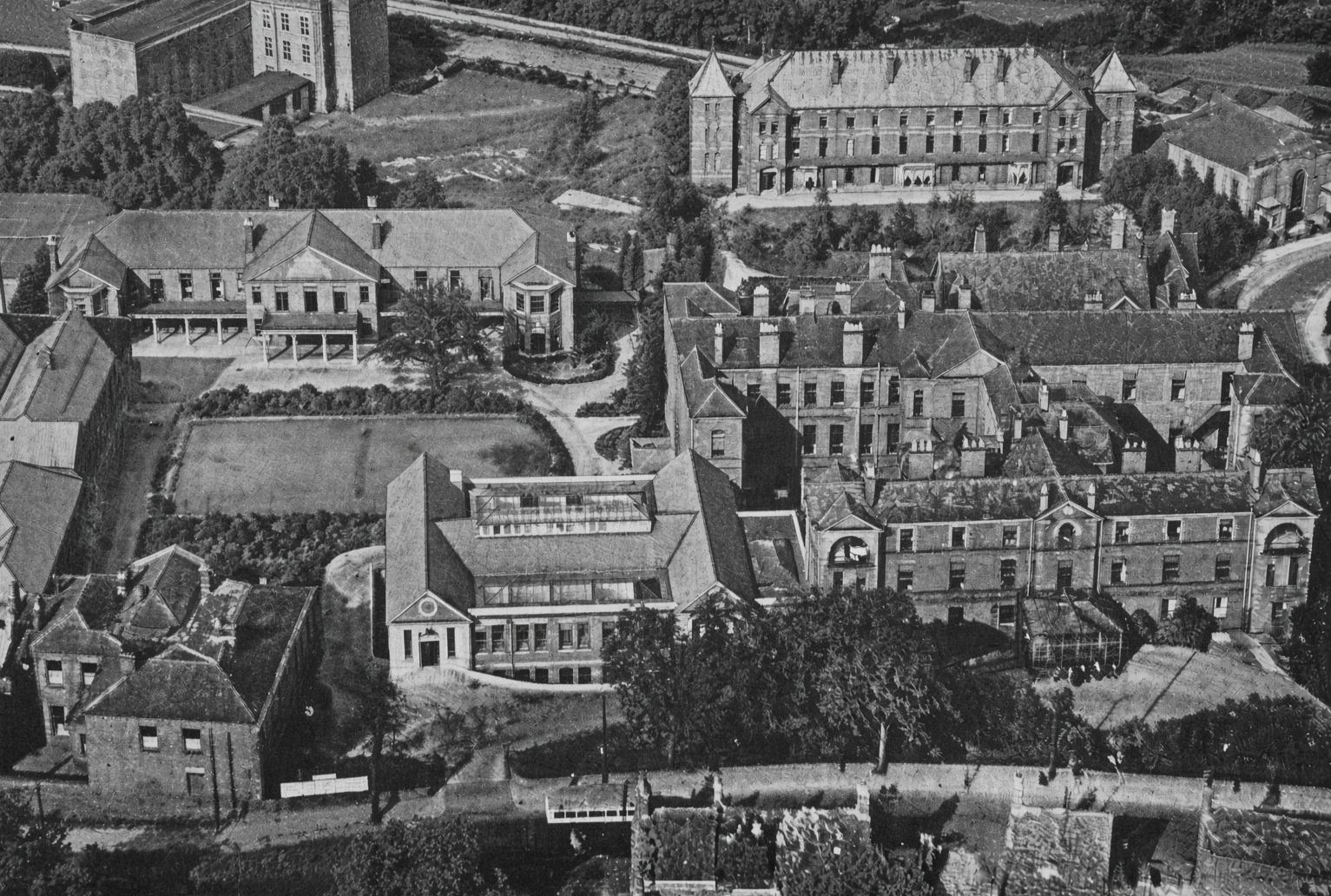
In a twist of fate, Mr. Sherif was visiting Chesterfield shortly thereafter. Passing the familiar old grounds where he had spent years treating patients, he found the hospital closed and boarded up, the “For Sale” sign outside the property. Seeing his cherished former workplace facing the threat of dereliction and even demolition was a defining moment in his life. That very day, he made a definitive decision that would completely alter the course of his own life — and rewrite the fate of the old Royal Hospital.
Unwilling to watch every one of the grand buildings fall to decay and ruin, he stepped in, and purchased the property from the Crown, identifying Eastwood and Jackson’s building as the place to make a difference. Not yet two decades into his own career, he took the entire destiny of the historic site onto his own shoulders, and personally funded and oversaw the comprehensive renovation of the building. He wasn’t interested in a superficial makeover, for, just like the men whose passion had created it, he had a dream for this place.
While keeping the magnificent, historic red-brick and slate exterior as beautiful as when it was built, the inside was transformed. Out of the dust of the old staff quarters, he built a modern medical facility. The dozens of small rooms on the upper two floors were repurposed as 21 large patient rooms with en-suite bathrooms, and the ground floor became the brand new Operating Theatre Department. Along with the new lease of life came a new name – the Alexandra Private Hospital.
Honouring the Past, Serving the Present
Today, the building still stands proudly, spanning the gap between Chesterfield’s past and present, its beautifully maintained Edwardian façade, complete with its ornate stone entrances, and cantilevered metal balcony, serving as a striking historic landmark. While its interior has changed, its purpose has stayed close to what Edward Eastwood intended more than 120 years ago – to provide a home for healthcare in the heart of Chesterfield.
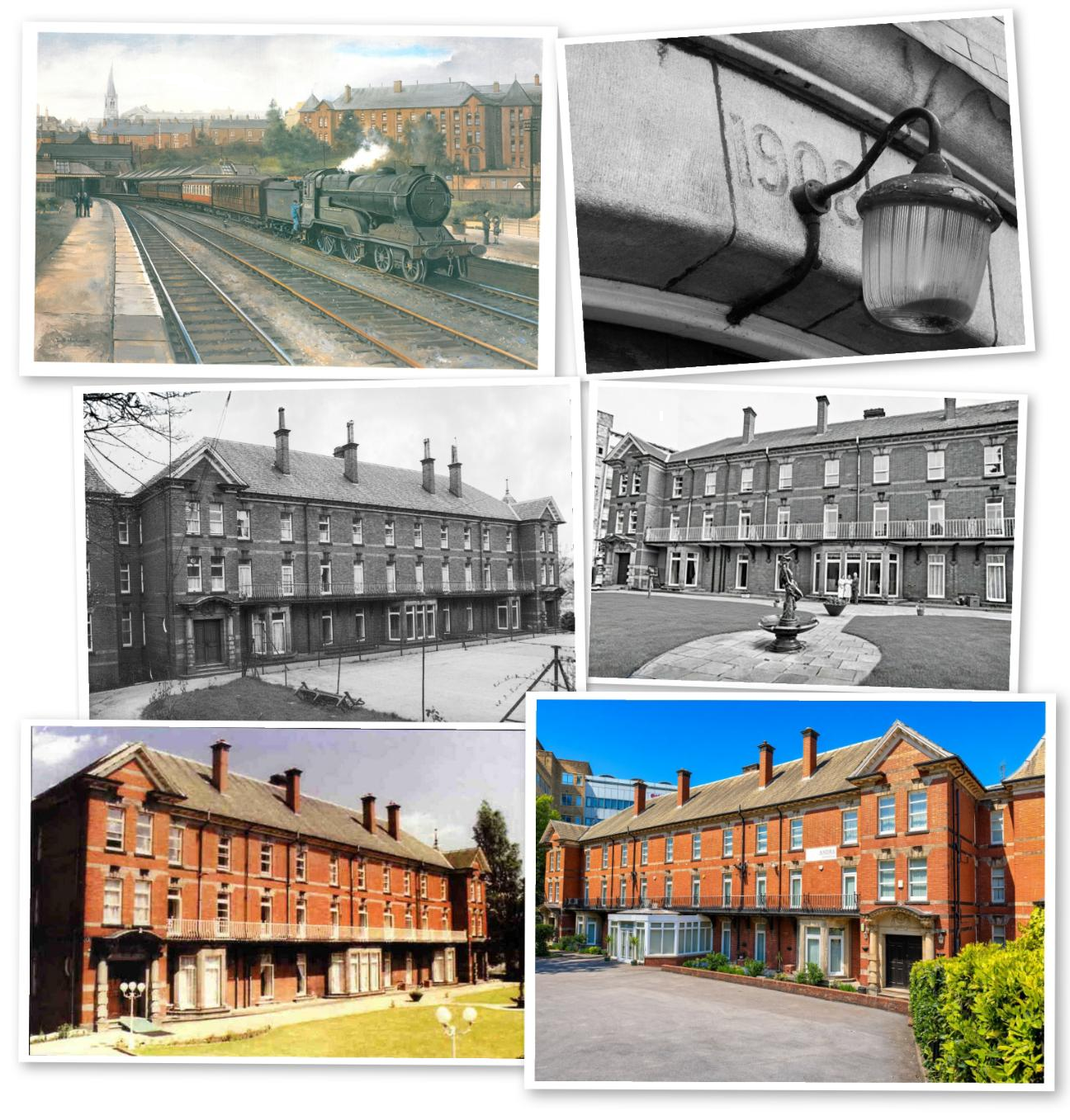
From left to right:
- The rear of the building in the early 1950s, with the railway built by George Stephenson in the foreground (as depicted by artist David Charlesworth)
- Lintel engraving marking the year of the building’s construction
- The front of the building in the 1970s
- The front of the Alexandra in the 1980s
- The front of the Alexandra in the 1990s
- The front of the Alexandra today